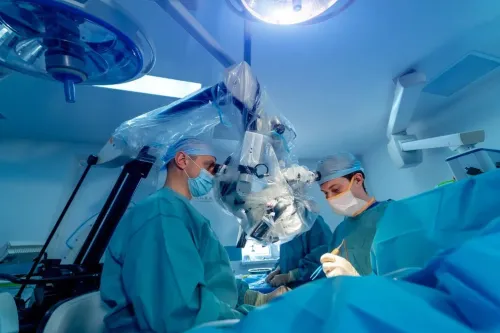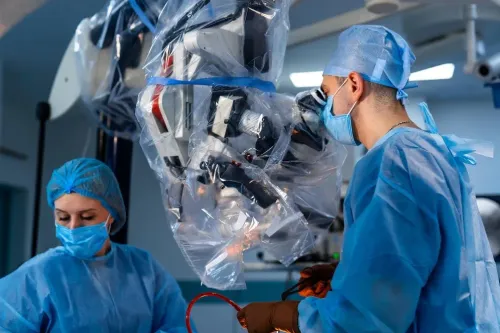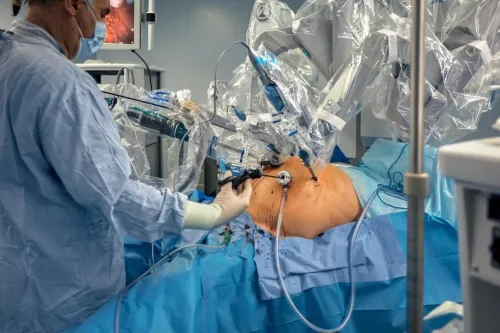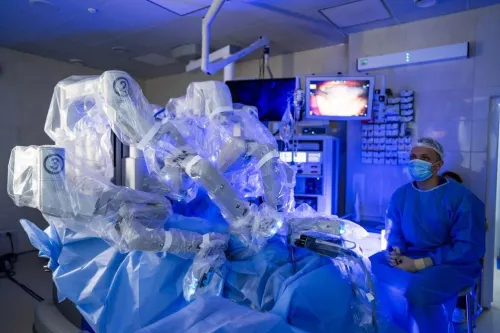
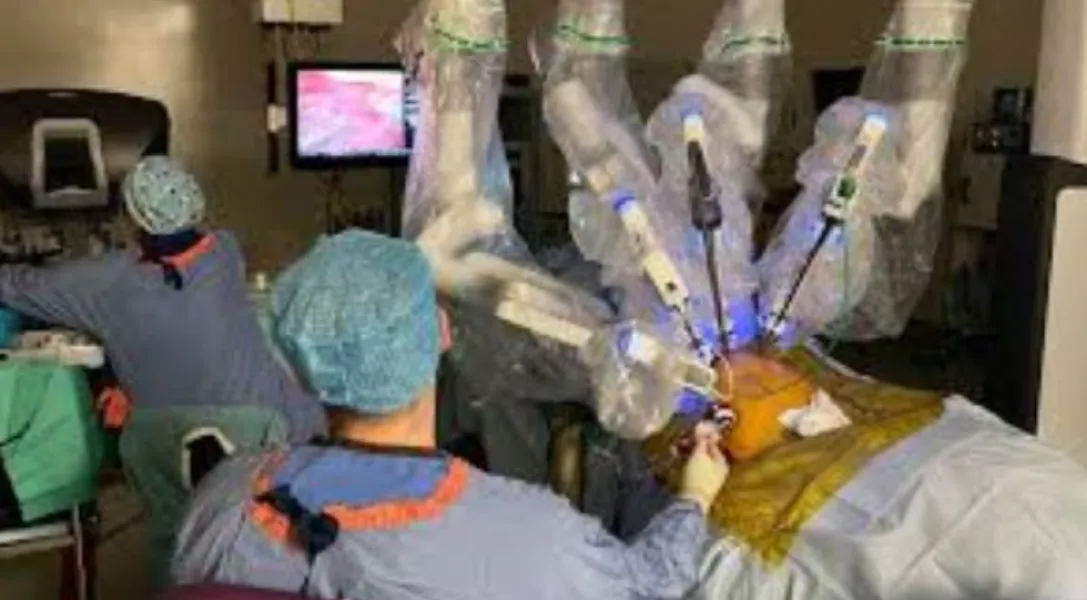
Surgery has changed significantly with the development of minimally invasive techniques. In selected procedures, robotic technology allows surgeons to operate through small incisions while using highly controlled instruments and a magnified three-dimensional view of the surgical field. However, seeing a Robotic Surgeon does not automatically mean robotic surgery will be the right option for every patient.
For patients in Nagasandra and surrounding areas of Bengaluru, Karnataka, understanding when a robotic surgical consultation may be useful can make the treatment journey easier to navigate.
What Does a Robotic Surgeon Do
A robotic surgeon is a surgeon trained to perform appropriate procedures using a robotic-assisted surgical system. The robot does not operate independently. Every movement of the instruments is controlled by the surgeon from a console.
Depending on the surgeon's specialty and the patient's condition, robotic techniques may be considered for procedures involving the gastrointestinal tract, gallbladder, hernia, liver, pancreas and certain cancers.
The technology can provide:
- Magnified three-dimensional visualization
- Instruments capable of precise movements
- Better access to some confined anatomical areas
- Small-incision surgical approaches
- Greater dexterity during technically complex steps
These advantages need to be considered alongside the patient's diagnosis and the surgeon's experience.
When Is a Robotic Surgery Consultation Worth Considering
A consultation may be appropriate when surgery has already been recommended and the patient wants to understand whether open, laparoscopic or robotic surgery is suitable.
It may also be useful for people diagnosed with conditions that sometimes require complex abdominal or gastrointestinal operations. The surgeon can review scans, previous treatments, medical history and the exact location of the disease before discussing the surgical approach.
Importantly, robotic surgery is not chosen simply because the technology is available. The decision depends on factors such as the type and stage of disease, previous abdominal operations, overall health and technical feasibility.
What Should You Ask During the Consultation
Patients can ask practical questions such as:
- Why is surgery being recommended?
- Is robotic surgery appropriate for my condition?
- What alternatives are available?
- What experience does the surgeon have with this particular procedure?
- Could the operation need to be converted to an open procedure?
- What should I expect during recovery?
These questions help patients understand the treatment rather than focusing only on the technology.
For people around Nagasandra who are exploring Robotic Cancer Surgery or robotic procedures for non-cancerous gastrointestinal conditions, the first priority should be a complete surgical evaluation. A well-planned consultation helps determine whether robotic assistance offers a meaningful advantage for the individual case rather than treating it as a one-size-fits-all solution.
Keywords