Patients researching cancer surgery often encounter several terms at once: open surgery, laparoscopy, robotic surgery and surgical oncology. This can make choosing the appropriate consultation confusing. Understanding the role of a Laparoscopy Surgeon Oncosurgeon can clarify how different surgical approaches are selected.
For patients in Peenya and nearby parts of Bengaluru, Karnataka, the important distinction is not simply which technique is newer. The central question is which approach can safely and effectively address the particular disease.
Laparoscopic Surgery Uses Small Incisions
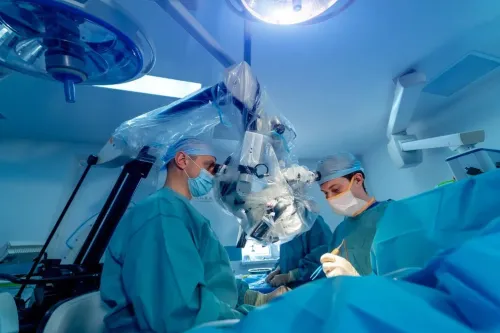
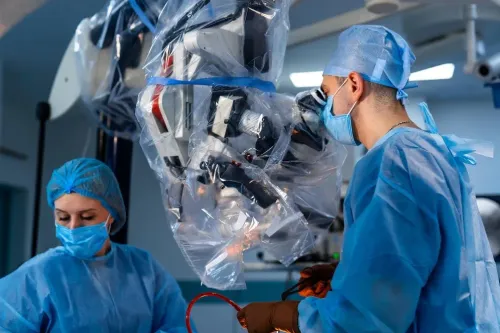
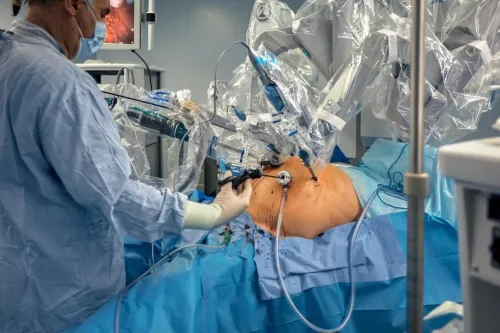
Laparoscopic surgery is a minimally invasive technique in which a camera and long surgical instruments are introduced through small incisions. The surgeon watches the operative field on a monitor and manually controls the instruments.
It is widely used for many abdominal procedures and, in appropriately selected cases, certain cancer operations.
Robotic Surgery Is Also Surgeon Controlled
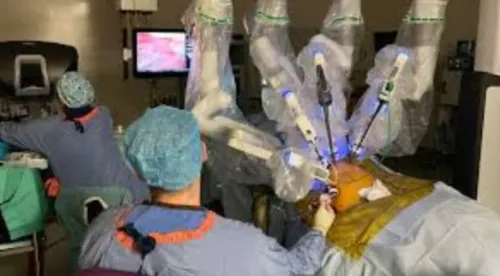
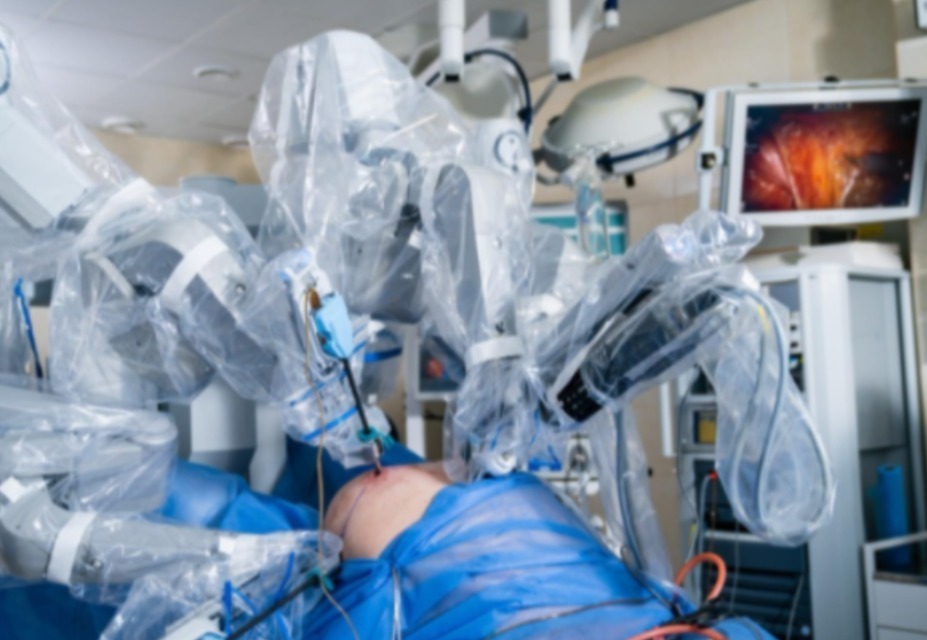
Robotic-assisted surgery is another minimally invasive approach. The surgeon operates from a console and controls robotic instruments positioned at the patient.
Compared with conventional laparoscopy, robotic systems may provide three-dimensional magnified visualization and articulated instruments that can be useful during complex dissection or suturing.
The robotic system does not make surgical decisions or perform the operation autonomously.
Where Does an Oncosurgeon Fit In
An oncosurgeon, or surgical oncologist, focuses on the surgical management of cancer. Cancer surgery involves more than removing a visible growth. Planning may need to consider tumour location, nearby structures, lymph nodes, surgical margins, disease stage and whether chemotherapy or radiation should occur before or after surgery.
This is why the surgeon's understanding of cancer biology and oncological surgical principles remains important regardless of whether the procedure is open, laparoscopic or robotic.
How Is the Surgical Approach Chosen
Several factors may influence the recommendation:
- Cancer type and stage
- Size and location of the tumour
- Relationship to important blood vessels or organs
- Previous abdominal operations
- General health and anaesthesia fitness
- Expected complexity of reconstruction
- Surgeon experience with the proposed technique
Sometimes a minimally invasive procedure is appropriate. In other situations, an open operation may provide the safest or most effective approach.
Patients in Peenya evaluating surgical options should therefore avoid choosing solely on the basis of incision size or technology. A consultation with a surgeon experienced in minimally invasive and cancer surgery allows the different options to be compared within the context of the actual diagnosis.
The goal is not to select robotic or laparoscopic surgery first and then fit the patient into it. The diagnosis comes first; the surgical technique follows.
Keywords