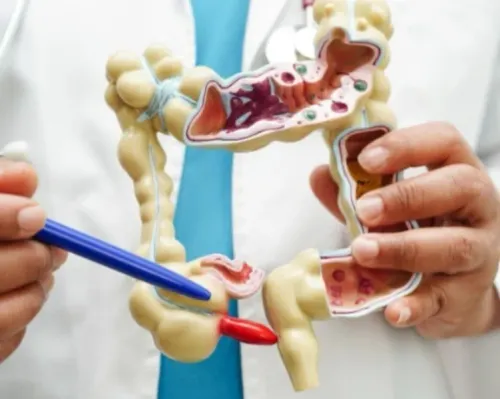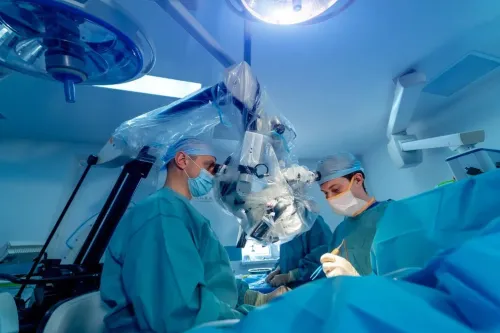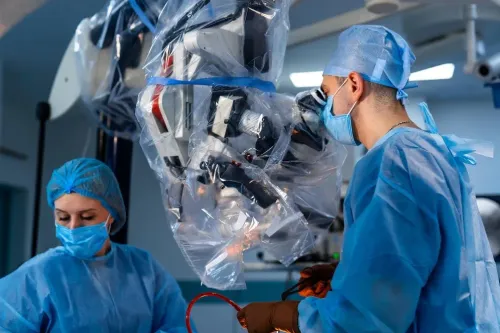
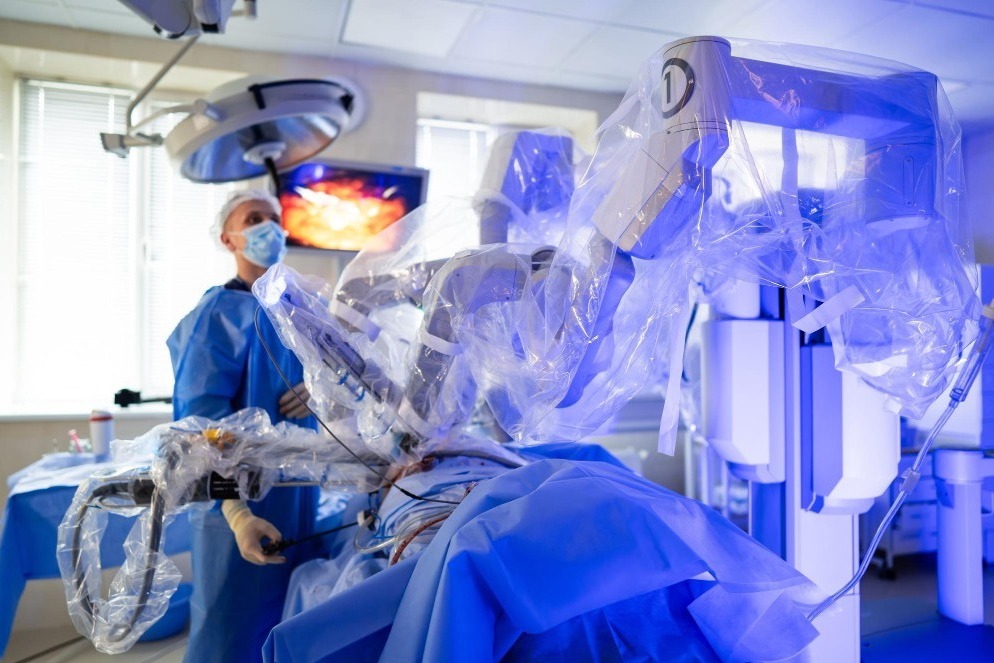
Hearing the words robotic surgery can create the impression that a machine performs the operation. In reality, Robotic Cancer Surgery is surgeon-controlled minimally invasive surgery in which a trained surgeon uses a robotic platform to perform selected steps with specialized instruments.
For patients in Nelamangala and the Bengaluru region of Karnataka, understanding the complete process can make discussions about cancer surgery more meaningful.
Before Surgery the Cancer Must Be Assessed
The process begins well before entering the operating theatre.
Doctors first establish the diagnosis and assess the disease using investigations appropriate to the cancer. These may include biopsy, CT, MRI, endoscopy or other tests. The treatment team considers whether surgery is required and whether another treatment should come first.
Only after these questions are addressed is the surgical approach selected.
What Happens During Robotic Surgery
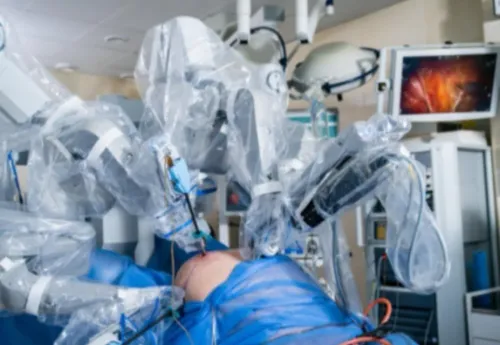
The patient receives anaesthesia and small incisions are generally made to introduce a camera and robotic instruments.
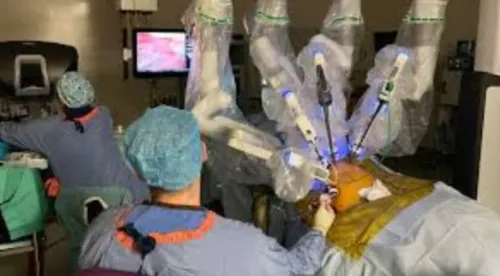
The surgeon operates from a console, where the system translates the surgeon's hand movements into controlled instrument movements inside the body. An operating-room team remains with the patient throughout the procedure.
The robot does not diagnose the cancer, decide where to operate or perform surgery independently.
Why Can Robotic Assistance Be Considered
In selected operations, robotic technology may provide:
- Three-dimensional magnified visualization
- Articulated instruments for controlled movements
- Access to confined anatomical spaces
- Precision during dissection and suturing
- A minimally invasive approach through smaller incisions
Whether these characteristics translate into a meaningful benefit depends on the operation and individual patient.
Recovery Is More Than Incision Size
Patients often associate minimally invasive surgery with faster recovery. Smaller incisions can be helpful, but recovery also depends on the complexity of the procedure, the organ involved, nutritional status, age, other medical conditions and whether complications occur.
After cancer surgery, the removed tissue is usually examined by pathology. Those findings can influence whether further cancer treatment is recommended.
Robotic Surgery Is One Part of Cancer Care
The quality of cancer treatment cannot be judged by technology alone. Appropriate staging, surgical planning, oncological principles, pathology and coordination with medical or radiation oncology can all matter.
For patients from Nelamangala considering Robotic Cancer Surgery, discussing both robotic and alternative surgical approaches provides a clearer picture of the available choices.
A suitable patient may benefit from a robotic approach, while another may be better served by laparoscopy or open surgery. The most appropriate technique is the one that supports safe, effective cancer treatment for that person's specific diagnosis.
Keywords