A diagnosis involving the stomach, oesophagus, colon, rectum, liver or pancreas can quickly lead to questions about surgery. Yet the decision to operate is rarely based on a single scan or symptom. A GI Oncosurgeon evaluates several pieces of information before recommending an operation.
For patients around Yeshwantpur in Bengaluru, Karnataka, knowing what happens during this evaluation can help them prepare for a more productive consultation.
The Exact Diagnosis Comes First
Gastrointestinal cancers behave differently depending on the organ involved and the tumour type. Before planning surgery, the team may review endoscopy findings, biopsy reports, CT or MRI scans, blood investigations and other relevant tests.
The purpose is to establish what the disease is, where it is located and how far it appears to have spread.
Staging Can Change the Treatment Sequence
Surgery is not always the first treatment.
For some gastrointestinal cancers, chemotherapy, radiation therapy or a combination of treatments may be recommended before an operation. In other cases, surgery may be the initial treatment followed by additional therapy depending on the final pathology report.
A GI oncosurgeon therefore considers the entire cancer-treatment pathway rather than viewing surgery as an isolated event.
Operability and Resectability Are Different Questions
Two important considerations are whether the patient is medically fit enough for an operation and whether the tumour can be removed appropriately.
The surgeon may assess:
- Tumour size and location
- Possible lymph-node involvement
- Relationship to nearby organs or blood vessels
- Evidence of disease elsewhere
- Heart, lung and general medical fitness
- Nutritional status
- Previous operations and treatments
This evaluation can influence both the timing and type of surgery.
Where Minimally Invasive Surgery May Fit
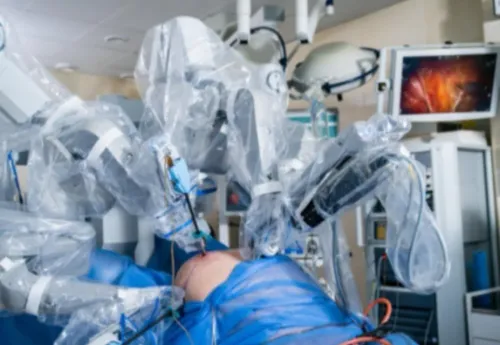
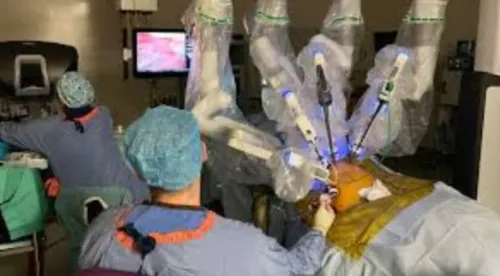
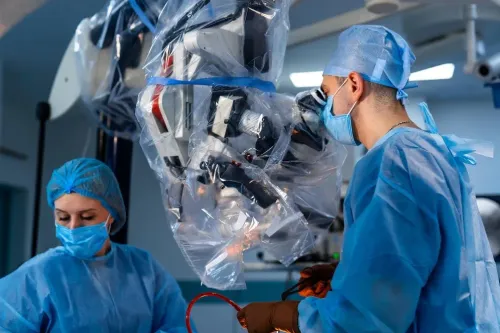
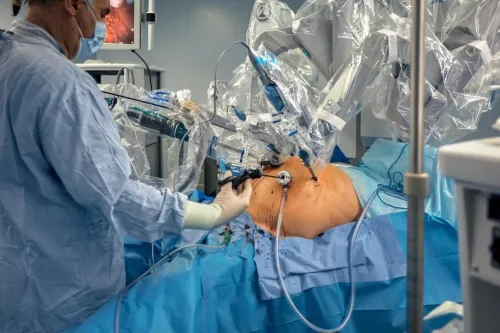
Depending on the cancer and individual anatomy, open, laparoscopic or robotic techniques may be considered. Robotic assistance can offer enhanced visualization and instrument articulation during certain complex operations, but its suitability must be determined case by case.
The cancer operation itself remains guided by oncological principles, including appropriate tumour removal and management of relevant surrounding tissues or lymph nodes.
Preparing for the Appointment
Patients can make the consultation more useful by carrying biopsy reports, imaging studies, previous discharge summaries, current medication details and records of chemotherapy or radiation if already received.
For people in Yeshwantpur considering gastrointestinal cancer surgery, a detailed evaluation by a GI Oncosurgeon can help answer three essential questions: whether surgery is indicated, when it should be performed and which surgical approach is appropriate.
Good cancer surgery begins with careful planning. The technology used in the operating room is important, but it comes after understanding the disease and building the right treatment sequence.
Keywords