A hernia occurs when tissue pushes through a weakness in the abdominal wall. Once surgery is recommended, patients may find themselves comparing open, laparoscopic and Robotic Hernia Surgery without knowing which differences actually matter.
For people in Nagasandra, Bengaluru, Karnataka, choosing between approaches should involve more than comparing incision size or assuming the newest technology is automatically preferable.
Not All Hernias Are the Same
The surgical plan depends partly on the type of hernia. Inguinal, umbilical, incisional and recurrent hernias can have different anatomical considerations.
Size also matters. A small first-time hernia and a large recurrent abdominal-wall defect may require very different repair strategies.
Robotic and Laparoscopic Approaches
Both robotic and laparoscopic hernia repairs can be performed through small incisions.
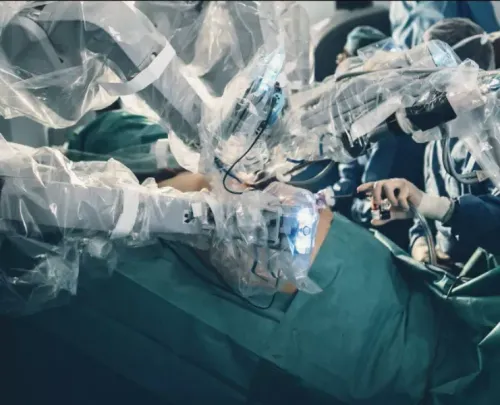
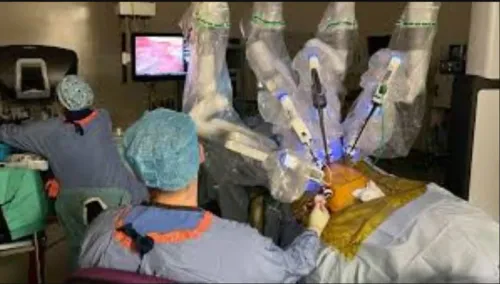
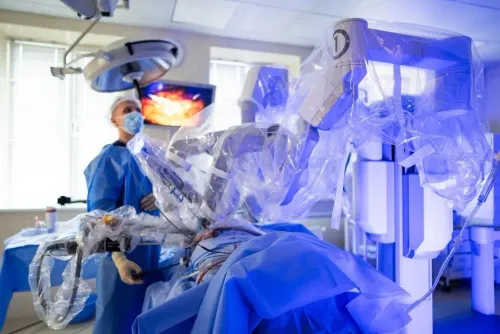
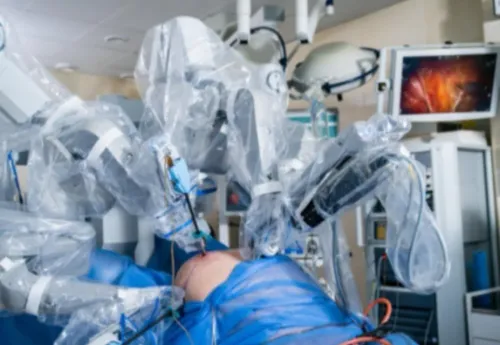
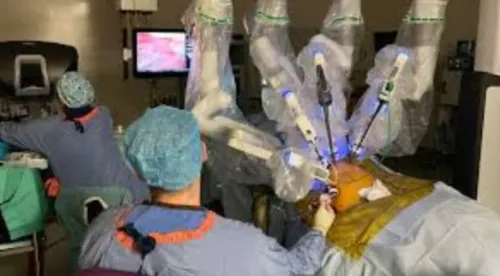
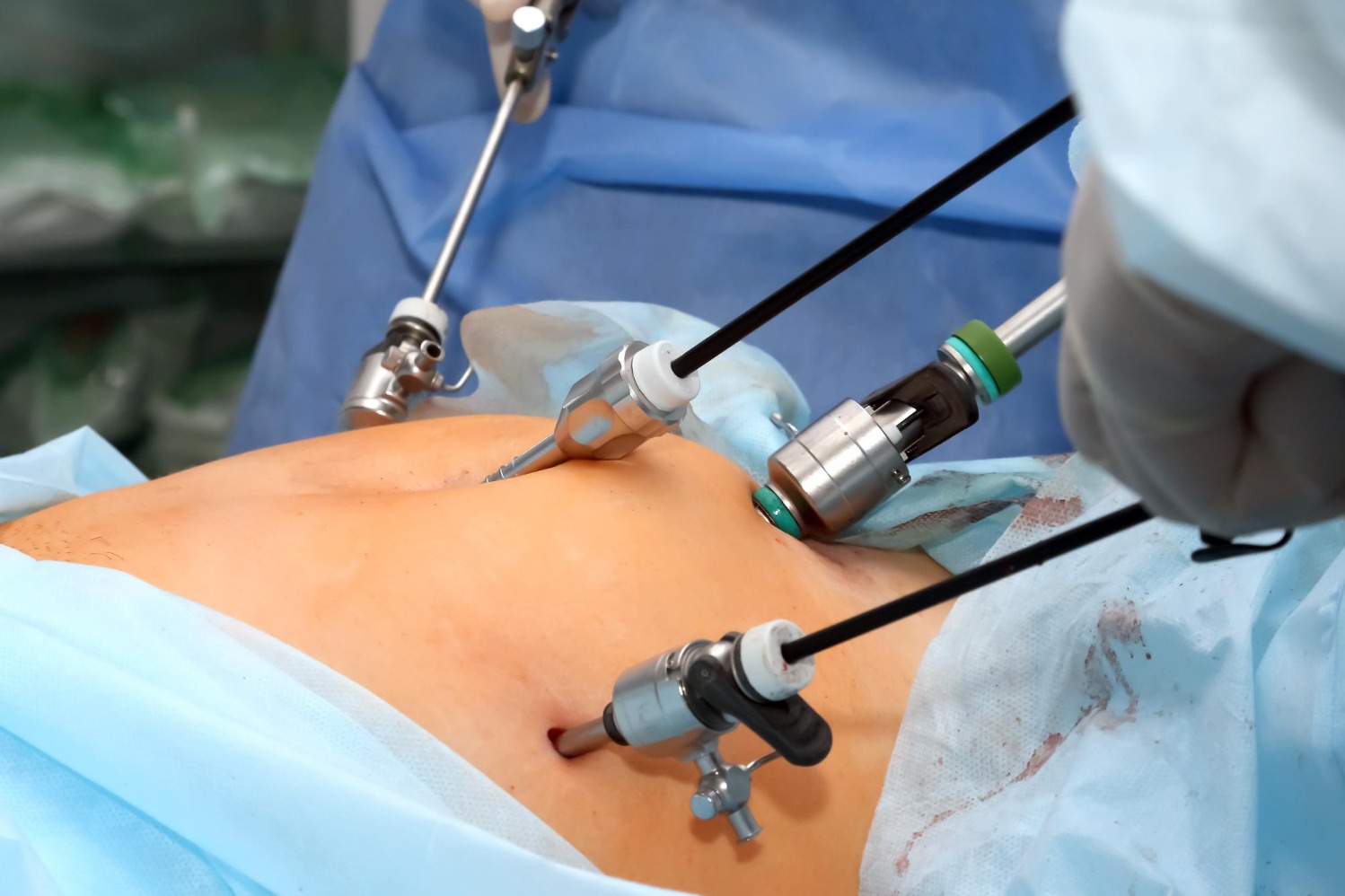
In laparoscopy, the surgeon directly manipulates long instruments while viewing the operative field on a monitor. In robotic surgery, the surgeon controls articulated robotic instruments from a console using magnified three-dimensional visualization.
Robotic instrumentation can be useful for certain technically demanding repairs or suturing tasks. Conventional laparoscopy, meanwhile, remains an established minimally invasive option for many hernias.
What Should Patients Actually Compare
Rather than asking only which technology is better, compare factors relevant to the individual repair:
- Type, size and location of the hernia
- Whether the hernia is primary or recurrent
- Previous abdominal operations
- Proposed repair technique
- Need and planned position of mesh where appropriate
- Surgeon's experience with the procedure
- Expected restrictions during recovery
- Potential risks and alternatives
These factors often provide more useful information than the name of the surgical platform.
When Open Surgery May Still Be Appropriate
Minimally invasive surgery is not mandatory for every hernia. Depending on the hernia, patient characteristics and clinical circumstances, an open repair may be a reasonable or preferred option.
A good surgical discussion should therefore explain why a particular approach is being proposed rather than presenting one technique as universally superior.
Patients in Nagasandra considering Robotic Hernia Surgery should also discuss symptoms that require timely evaluation. A painful hernia that suddenly becomes irreducible, particularly when associated with vomiting or increasing abdominal symptoms, needs prompt medical assessment.
For planned surgery, the most useful comparison is individualized. Robotic surgery can offer technical advantages in selected repairs, while laparoscopic or open surgery may be entirely appropriate in others.
The right approach is determined by the hernia and the patient—not simply by the availability of a robot.
Keywords