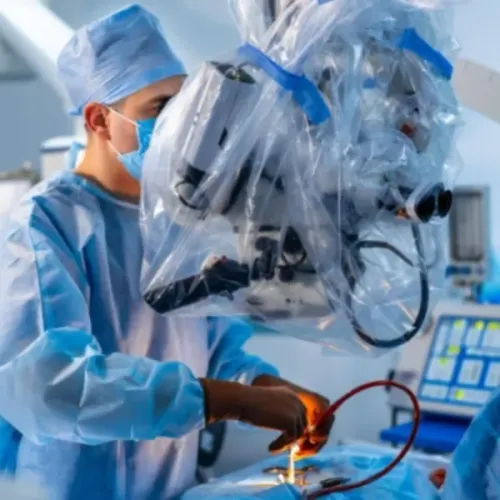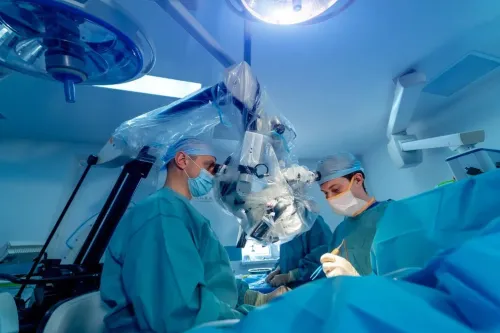
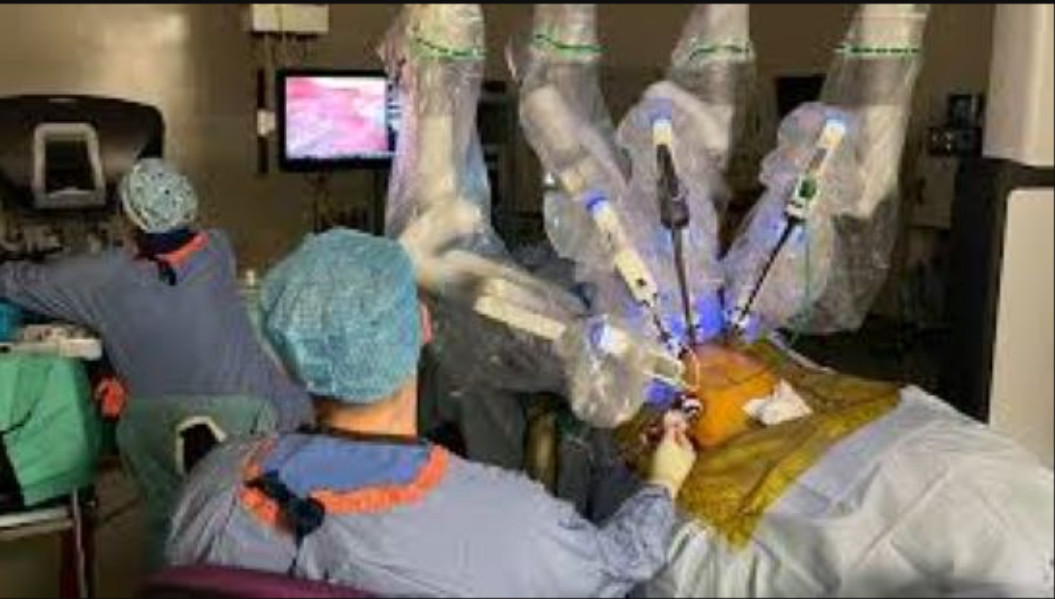
Gallstones are common, but finding stones on an ultrasound does not automatically mean that every person needs surgery. Robotic Cholecystectomy for Gall Stone is one minimally invasive option for removing the gallbladder when surgery is clinically indicated.
For people in Dasarahalli and surrounding Bengaluru areas in Karnataka, the first decision is whether gallbladder removal is needed at all. The choice of surgical technique comes afterward.
Symptoms Matter When Evaluating Gallstones
Some gallstones are discovered incidentally and never produce symptoms. Others can cause episodes of pain, particularly in the upper right or upper central abdomen, sometimes after meals.
Gallstones may also lead to complications such as inflammation of the gallbladder, blockage of the bile duct or pancreatitis.
Persistent or recurring symptoms need proper medical evaluation because similar abdominal pain can arise from several other conditions.
What Does Cholecystectomy Involve
Cholecystectomy means surgical removal of the gallbladder. It can be performed through conventional laparoscopic, robotic-assisted or, in selected situations, open surgery.
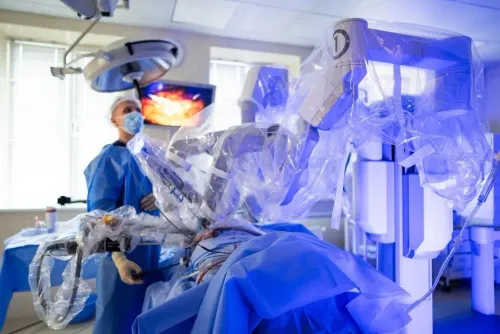
During robotic cholecystectomy, the surgeon controls robotic instruments from a console. The platform can provide magnified visualization and articulated instrument movement.
However, robotic technology does not make the operation automatically superior for every patient.
Robotic Versus Laparoscopic Gallbladder Surgery
Both approaches are minimally invasive and usually use small abdominal incisions.
Conventional laparoscopy has been widely used for gallbladder removal for many years. Robotic assistance provides different instrument mechanics and visualization, which a surgeon may find useful in selected cases.
When evaluating the two options, useful questions include:
- Why is gallbladder removal necessary?
- Is there evidence of inflammation or bile-duct stones?
- Are additional investigations required?
- Why is a robotic approach being recommended?
- What alternatives are available?
- What is the expected recovery plan?
What Can Affect Surgical Planning
Previous abdominal surgery, active inflammation, anatomy, other health conditions and findings on imaging can influence the procedure.
In some cases, a minimally invasive operation may need to be converted to open surgery when necessary for safety. This possibility should be discussed before the procedure rather than treated as an unexpected failure.
For patients around Dasarahalli researching Robotic Cholecystectomy for Gall Stone, an appropriate surgical consultation should therefore begin with the symptoms and diagnosis.
The useful question is not simply, “Can my gallbladder be removed robotically?” It is, “Do I need gallbladder surgery, and which surgical approach is most appropriate for my situation?” That distinction helps patients make decisions based on clinical need rather than technology alone.
Keywords