
Pancreatic surgery can offer the possibility of long-term control or cure, but only for selected tumours and patients who can tolerate a major operation. You will be able to judge whether surgery is worth pursuing by matching the diagnosis, scan findings, treatment alternatives, surgeon experience and expected recovery to your own risk.
Key takeaways
- Surgery offers the strongest benefit when cancer is localized and technically resectable.
- The Whipple procedure, distal pancreatectomy and total pancreatectomy suit different tumour locations.
- Robotic surgery improves access and precision but does not change cancer stage.
- Compare surgeon experience, team support, complications and recovery before consenting.
When pancreatic surgery offers a real chance of benefit
Surgery offers a real chance of long-term benefit mainly when imaging shows localized, technically resectable cancer and you can tolerate a major operation. The robot changes access, not the cancer’s biology, stage or resectability.
Pancreatic ductal adenocarcinoma, pancreatic neuroendocrine tumours, cystic neoplasms and ampullary cancer are different diseases. They can require different operations, drug treatments and prognoses; a cystic neoplasm, for example, may need surveillance rather than immediate surgery.
- Start with a pancreas-protocol contrast CT to map the tumour and its relationship to the superior mesenteric artery, portal vein and other major vessels.
- Add MRI with MRCP when duct anatomy, cyst features or liver lesions need clarification. Use endoscopic ultrasound with biopsy when tissue is needed before chemotherapy or when imaging cannot establish the diagnosis.
- Check CA 19-9 and liver-function tests, then stage for spread to the liver, lungs or peritoneum. CA 19-9 supports assessment but does not prove or exclude cancer.
- Classify the disease before discussing an operation. Resectable means complete removal appears possible without unacceptable major-vessel involvement. Borderline-resectable means vessel contact may become removable after chemotherapy, with or without radiation. Locally advanced means vessel involvement prevents resection without distant spread. Metastatic means spread to distant organs.
Surgery is mainly potentially curative for localized, technically resectable disease. Borderline-resectable tumours often receive treatment first, then scans decide whether surgery is worthwhile; metastatic disease is generally treated with systemic therapy rather than removing the primary tumour alone.
Which operation fits the tumour, and what happens to the spleen
The tumour’s location, vessel involvement and required cancer clearance determine the operation—not the presence of a robot.
| Operation | What it removes | Main consequence |
|---|---|---|
| Whipple procedure (pancreaticoduodenectomy) | Pancreatic head, duodenum, gallbladder and part of the bile duct | The surgeon reconnects the remaining pancreas, bile duct and stomach or intestine to rebuild digestion |
| Distal pancreatectomy | Pancreatic body and tail, often with the spleen | Loss of pancreatic tissue can cause diabetes or insufficient digestive enzymes |
| Central pancreatectomy | A lesion in the neck or proximal body, while preserving more normal pancreas | Suitable only for selected lesions; the remaining pancreas still needs monitoring |
| Total pancreatectomy | The entire pancreas | Permanent insulin treatment and pancreatic enzyme replacement become necessary |
During distal pancreatectomy, spleen preservation is considered when the tumour does not involve the splenic artery or vein and extensive lymph-node clearance is unnecessary. Splenectomy is required when cancer involves the spleen or splenic vessels, or when preserving the spleen would compromise complete tumour removal.
For pancreas and spleen treatment, oncological safety comes first. Before surgery, ask what findings would require splenectomy, vascular reconstruction or abandoning resection.
After splenectomy, arrange vaccination against encapsulated bacteria, including pneumococcus, meningococcus and Haemophilus influenzae type b, and obtain a clear fever plan: seek urgent medical assessment for a temperature of 38°C or higher.
Any pancreatic resection can cause new or worsened diabetes or enzyme insufficiency, producing weight loss, diarrhoea or greasy stools; prescription enzymes are taken with meals.
What robotic surgery changes—and what it does not
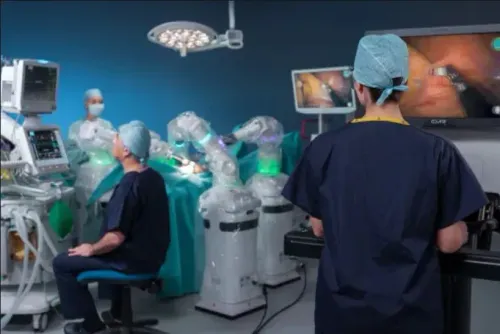
A robot changes the route, not the cancer. Robotic assistance can perform a Whipple or distal pancreatectomy through small incisions, but it cannot make an unresectable tumour removable, replace staging, or guarantee longer survival.
| Approach | Practical advantages | Trade-offs |
|---|---|---|
| Robotic | Smaller incisions; selected patients have less blood loss, fewer wound problems and quicker recovery | Longer operating time, higher cost, conversion to open surgery, and a steep team learning curve |
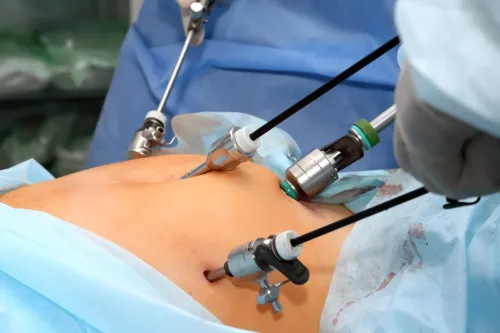
| Laparoscopic | Small incisions and potentially shorter hospital stay than open surgery | Limited instrument movement; conversion and complication risks depend heavily on tumour anatomy and experience |
| Open | Large incision gives direct access for complex dissection and vascular reconstruction | More pain, blood loss and wound recovery; hospital stay and return to activity can be longer |
Robotic and laparoscopic operations can still cause pancreatic fistula, delayed gastric emptying, bleeding, bile leak, infection, blood clots, readmission and death. A fistula leaks enzyme-rich fluid and can require drains, antibiotics, nutritional support, interventional radiology or another operation. Personal risk depends on duct size, pancreatic texture, jaundice, nutrition, diabetes, vessel involvement and fitness.
Long-term survival superiority over a well-performed open operation remains unproven; complete tumour removal, lymph-node assessment, stage and tumour biology matter more than access. Robotic procedures also require substantial operation-specific experience. The phrase robotic pancreatic cancer surgery for hesaraghatta describes a minimally invasive approach and location, not proof of better cancer control.
How to assess the surgeon and the cancer team before agreeing
Choose the team that can show operation-specific results, not the hospital’s total robotic-surgery count or the presence of a robot.
1. Ask for the surgeon’s recent annual numbers for robotic Whipple, open Whipple and distal pancreatectomy separately. Ask how often each operation is converted to open surgery, the pancreatic fistula rate, the rate of major complications, readmissions and deaths, and who manages problems after discharge.
2. Verify medical registration, formal gastrointestinal or hepatopancreatobiliary oncology training and hospital privileges. Confirm that the same hospital has intensive care, interventional radiology, specialist pathology and medical oncology; a fistula or postoperative bleed can require drainage, antibiotics, nutritional support or another operation.
3. Request a multidisciplinary review involving a pancreatic surgeon, medical oncologist, radiation oncologist when relevant, radiologist, pathologist, gastroenterologist and specialist nurses. Ask whether imaging shows resectable disease and whether chemotherapy, radiation or vascular reconstruction changes the plan.
4. Treat volume as a safety signal: high-volume pancreatic centres generally achieve lower mortality and fewer serious complications because teams practise these operations and manage their failures more often. Seek a second opinion at one for a Whipple, borderline-resectable tumour or planned vascular reconstruction.
If investigating a GI oncosurgeon hesaraghatta or consulting Robotic Cancer Surgery, apply these same checks rather than trusting a search result or advertised technology.
The recovery and long-term trade-off that makes surgery worth it—or not
Surgery is worth serious consideration only when it offers meaningful cancer control that outweighs a difficult recovery and permanent health changes. Hospitalisation can be prolonged, with drains, reduced appetite, weakness and a delayed return to work or normal activity.
Removing pancreatic tissue can cause exocrine insufficiency: weight loss, diarrhoea or greasy stools. Prescription pancreatic enzyme replacement is taken with meals. Endocrine failure can require diabetes medicines or insulin.
Compare the operation with chemotherapy, chemoradiation, surveillance for a selected cystic lesion, or palliative treatment when surgery cannot improve survival. Ask:
- What operation is planned, and what do the scans show?
- What is the chance of complete tumour removal?
- Which findings would require vascular reconstruction or splenectomy?
- What alternative treatment fits my disease and goals?
- What is my personal plan for fistula, bleeding, infection, delayed stomach emptying, diabetes, enzyme insufficiency and drains?
A robotic approach does not make unresectable cancer removable or guarantee longer survival. Patients searching for a Dr Santosh pancreatic surgeon should use the same verification questions and examine operation-specific experience, not the presence of a robot.
The decision rule is direct: surgery is worth serious consideration when staging shows removable disease, you are fit enough, the expected cancer benefit is meaningful and an experienced team can manage complications. It is not worth accepting solely because the approach is robotic.
Frequently asked questions
When is pancreatic cancer surgery worth considering?
Surgery is worth serious consideration when scans show localized, technically resectable cancer and you are fit enough for a major operation.
Which pancreatic operations are used for cancer?
Tumour location determines the operation: a Whipple procedure usually treats cancers in the pancreatic head, while distal pancreatectomy treats cancers in the body or tail. Total pancreatectomy removes the entire pancreas in selected cases.
Does robotic surgery make pancreatic cancer more curable?
No. Robotic surgery changes surgical access and instrument control, but it does not change the cancer’s biology, stage or resectability.
What should you ask before choosing a pancreatic surgeon?
Ask about the surgeon’s pancreatic operation volume, expected complications, conversion to open surgery, hospital support, pathology review and the full cancer team’s treatment plan.
What are the long-term trade-offs after pancreatic surgery?
Recovery can involve digestive changes, delayed stomach emptying, diabetes or the need for pancreatic enzyme replacement. The operation is worthwhile when its potential cancer-control benefit outweighs these lasting effects.
Keywords