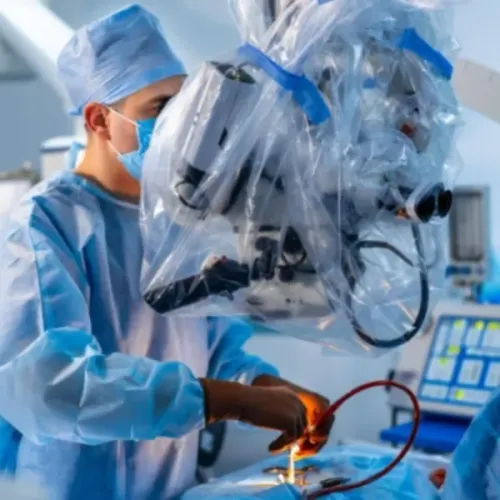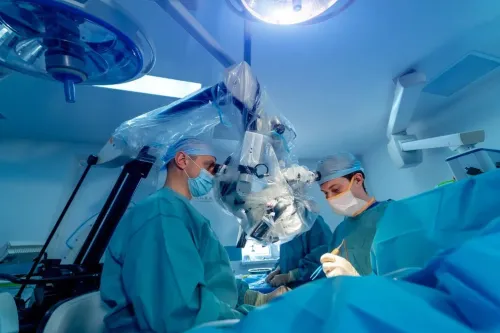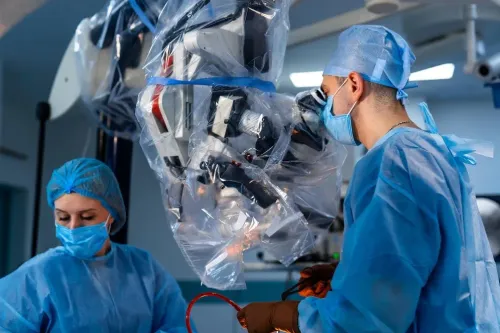
Gallstones are a common digestive condition, and while many remain symptom-free, others can cause recurring abdominal pain, nausea, indigestion, or complications such as gallbladder inflammation. When surgery becomes necessary, Robotic Cholecystectomy for Gall Stone is one of the minimally invasive options available for suitable patients. Understanding how this procedure works can help individuals make informed treatment decisions.
People living in Nelamangala and nearby parts of Bengaluru often seek advanced surgical options that support a smoother recovery while maintaining patient safety.
Understanding Gallstones
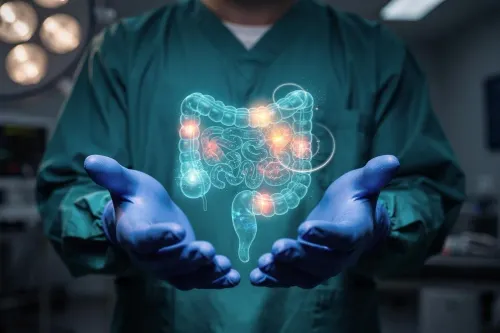
Gallstones are hardened deposits that develop inside the gallbladder. Some people never experience symptoms, while others may notice:
- Pain in the upper right abdomen
- Discomfort after eating fatty meals
- Nausea or vomiting
- Bloating or indigestion
- Fever if infection develops
A detailed medical evaluation, including ultrasound imaging and blood tests, helps determine whether surgery is necessary.
What Is Robotic Cholecystectomy?
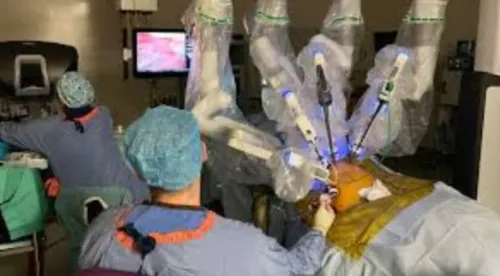
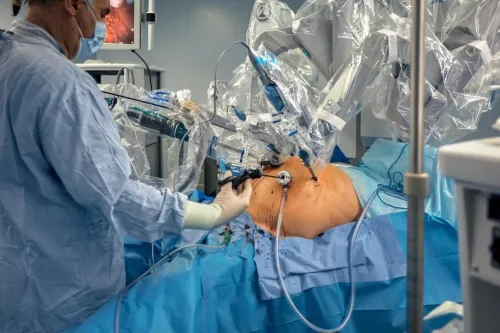
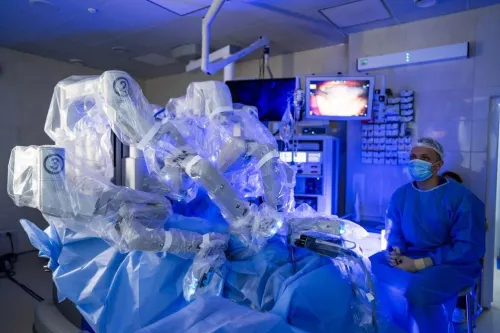
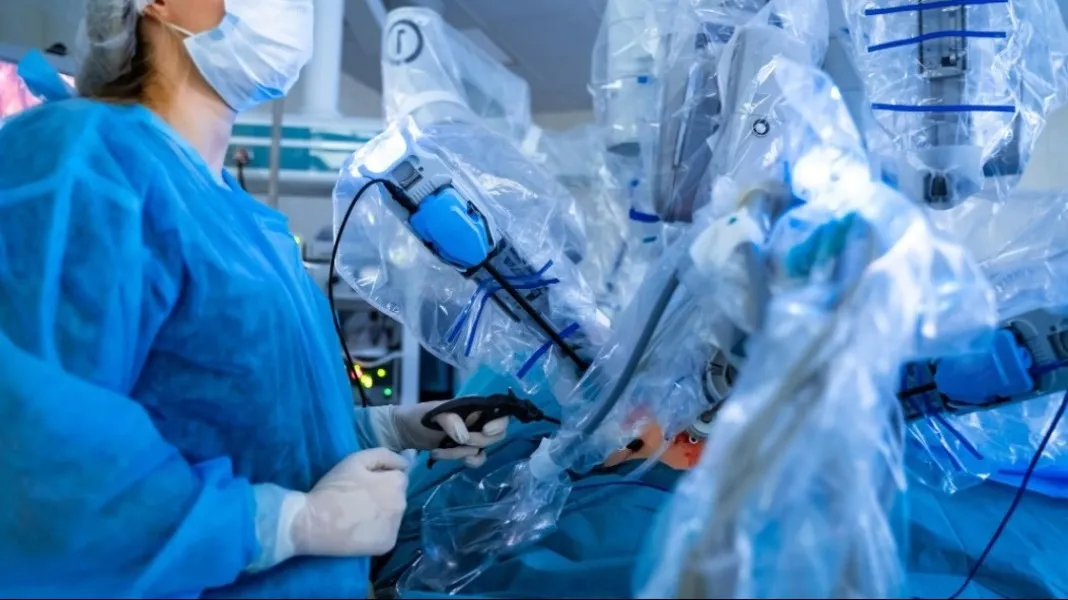
Robotic cholecystectomy is a minimally invasive procedure in which the gallbladder is removed using robotic-assisted surgical technology. The surgeon controls every movement through a specialized console, allowing enhanced visualization and precision throughout the operation.
The robotic platform does not replace the surgeon; it serves as an advanced tool to assist during surgery.
Potential Benefits
When recommended for an appropriate patient, robotic cholecystectomy may provide:
- Small surgical incisions
- Better visualization of surrounding anatomy
- Reduced tissue trauma
- Less postoperative discomfort
- Shorter hospital stay in many cases
- Faster return to daily activities
These advantages vary from patient to patient depending on overall health and surgical complexity.
Who May Be Suitable?
Robotic surgery may be considered for patients who have:
- Symptomatic gallstones
- Recurrent gallbladder attacks
- Gallbladder polyps requiring removal
- Chronic gallbladder inflammation
- Certain complex gallbladder conditions
The final decision depends on imaging findings, medical history, and physical examination.
Preparing for Surgery
Patients are generally advised to:
- Complete preoperative investigations.
- Inform the surgeon about existing medical conditions.
- Discuss current medications.
- Follow fasting instructions before surgery.
- Understand postoperative care and dietary recommendations.
Advanced Gallbladder Surgery Around Nelamangala
Residents of Nelamangala, Peenya, Nagasandra, Dasarahalli, Yeshwantpur, and Hesaraghatta have access to modern minimally invasive surgical care. Dr. Santosh evaluates every patient individually before recommending robotic-assisted procedures, ensuring the treatment approach is based on clinical findings rather than technology alone.
Choosing Robotic Cholecystectomy for Gall Stone should always follow a comprehensive consultation that considers symptoms, diagnostic results, and long-term digestive health.
Keywords